
Here's some food for thought: Worldwide, about 60 percent of men and 50 percent of women experience some form of hair loss, with age listed as the most common cause. For many, this becomes a significant source of stress and diminished confidence.
But here's the good news: you don't have to let hair loss define you. Modern restoration techniques can help regrow what you've lost—without surgery in many cases.
Understanding Hair Loss
Hair restoration seeks to promote increased blood circulation to the scalp and hair follicles. By revitalizing these follicles, treatments help stimulate growth and prevent further loss in the long term.
The first step is understanding why you're losing hair. Common causes include:
- Androgenetic alopecia—genetic pattern baldness affecting both men and women
- Hormonal changes—thyroid issues, menopause, or postpartum shifts
- Nutritional deficiencies—particularly iron, vitamin D, and protein
- Stress—which can trigger temporary but significant shedding
- Medical conditions—including autoimmune disorders
Non-Surgical Treatment Options
At Renova Wellness, we focus on non-surgical approaches that use your body's own healing capabilities to restore hair growth.
PRP Hair Restoration
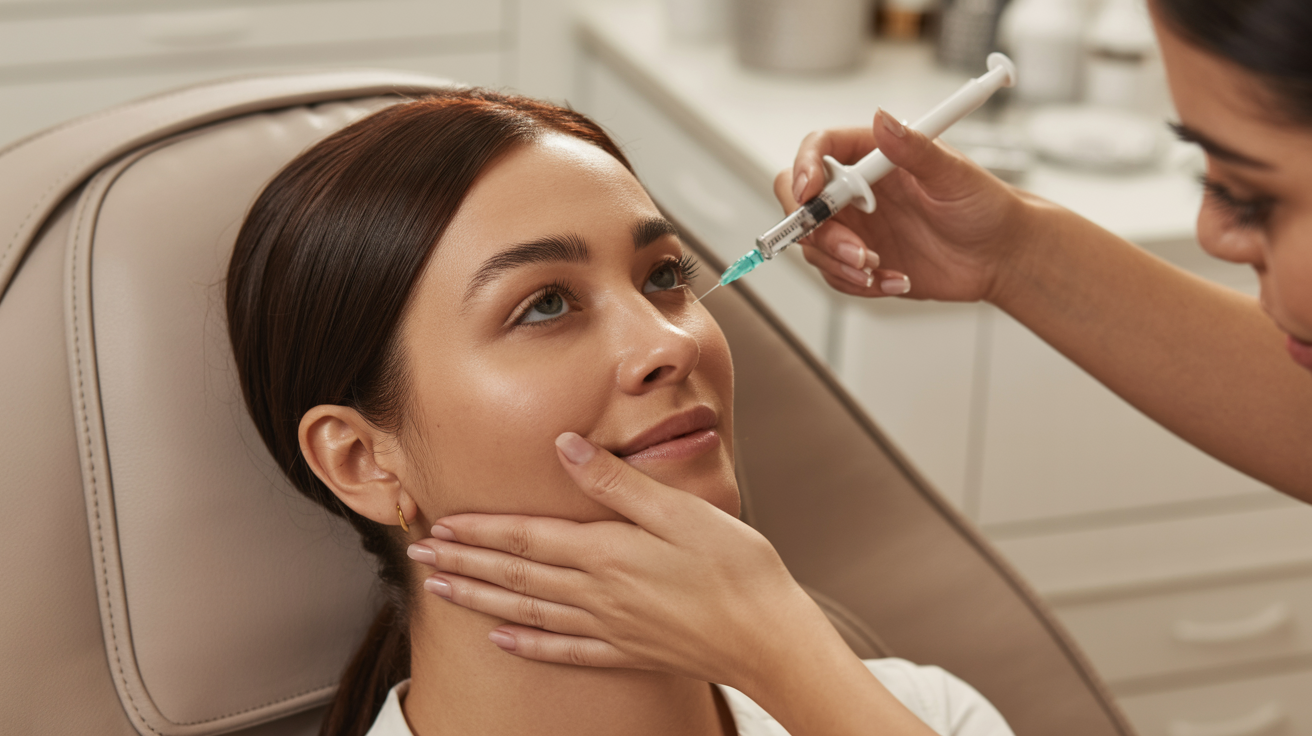
Platelet-Rich Plasma (PRP) therapy uses concentrated growth factors from your own blood to stimulate dormant follicles. The process involves drawing a small amount of blood, processing it to concentrate the platelets, then injecting the PRP directly into areas of thinning.
Most patients require 3-4 initial treatments spaced 4-6 weeks apart, followed by maintenance sessions every 6-12 months. Results typically become visible after 3-6 months as follicles reactivate and produce new growth.
Medical Management
Prescription treatments like finasteride (for men) and minoxidil can help slow loss and promote regrowth. We often combine these with PRP for enhanced results.
Have questions about this topic?
Our medical team is here to help — schedule a free, no-pressure assessment to discuss your options.
What to Expect
Hair restoration is a journey, not an overnight transformation. Realistic expectations are essential—we'll be honest about what's achievable based on your specific pattern and degree of loss.
The ideal candidate has recent or mild-to-moderate hair loss with follicles that are thinning but not completely dormant. Early intervention typically produces better outcomes, which is why we encourage addressing concerns sooner rather than later.
Your Next Step
If you're noticing changes in your hairline or overall hair density, a assessment can help determine the underlying cause and identify which treatments may help. At Renova Wellness, we create personalized restoration plans designed to help you feel confident again.
The Bottom Line
Hair loss affects 60% of men and 50% of women. But you don't have to accept it—modern restoration techniques can help regrow what you've lost.
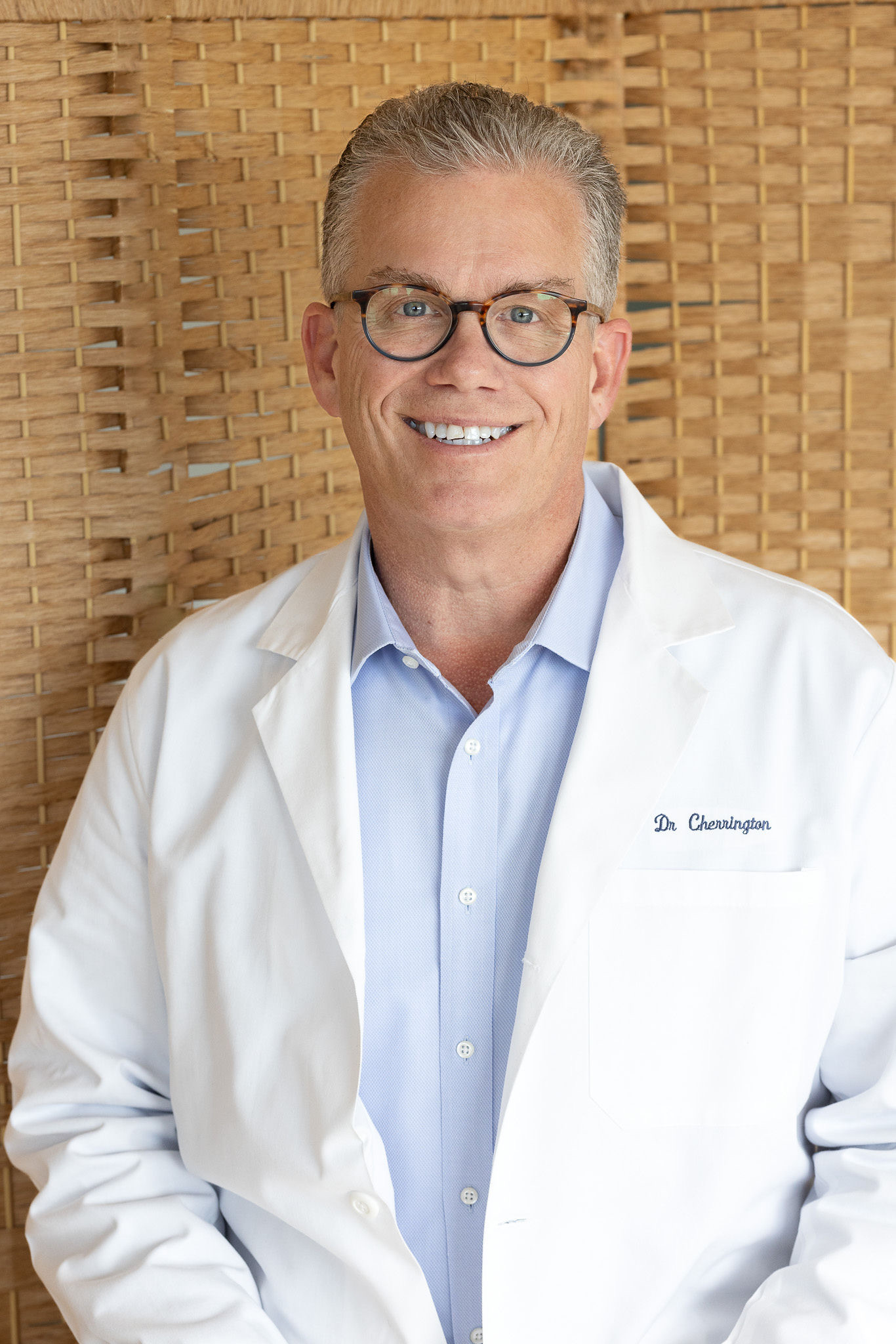
Dr. Steven Cherrington, DO
Dr. Steven Cherrington is a Board-Certified Osteopathic Physician and Medical Director at Renova Wellness. With over 15 years of experience in regenerative and aesthetic medicine, Dr. Cherrington specializes in helping patients achieve natural, lasting results through evidence-based treatments.
Editorial Process: Initial content ideas and drafts may be generated with the assistance of AI language models. Every article is then thoroughly reviewed, edited, and medically verified by our clinical team before publication to ensure accuracy, relevance, and alignment with current medical standards.
This content is for informational purposes only and does not constitute medical advice. Always consult with a qualified healthcare provider for personalized guidance.