
Key Takeaways
What you need to know
- Perimenopause often begins in the early-to-mid 40s, sometimes earlier.
- Fluctuating estrogen, not just low estrogen, drives hot flashes.
- Symptoms and history matter more than a single hormone lab.
- Several effective treatment options exist, hormonal and non-hormonal.
Many women are surprised when hot flashes, night sweats, poor sleep and mood swings show up while they are still having periods. That stage is called perimenopause, and it can last anywhere from a few months to ten years before menopause.
Why hot flashes happen
During perimenopause, estrogen doesn't drop in a straight line. It rises and falls unpredictably. The brain's temperature center becomes more sensitive, so small changes in body temperature trigger a flush of heat, sweating and a racing heart. At night, that same response wakes you up and fragments sleep.
Other signs you may be in perimenopause
- Cycles that become shorter, longer, heavier or skipped
- Trouble falling or staying asleep
- Irritability, anxiety or low mood
- Brain fog and forgetfulness
- Vaginal dryness or lower libido
- Weight shifting toward the midsection
Could hormones be the missing piece?
Take our free 2-minute quiz to see if hormone optimization could help you feel like yourself again.
Do I need hormone testing?
Because hormones swing day to day in perimenopause, a single blood test can look "normal" even when you feel terrible. We use labs to rule out other causes (like thyroid issues or anemia) and to guide dosing, but your symptoms, age and cycle history are what confirm the diagnosis.
Treatment options
- Bioidentical hormone therapy. For many healthy women, estrogen (with progesterone if you have a uterus) is the most effective treatment for hot flashes and night sweats.
- Progesterone at bedtime. Often helps sleep and cycle irregularity in early perimenopause.
- Non-hormonal medications. Options exist for women who can't or prefer not to use hormones.
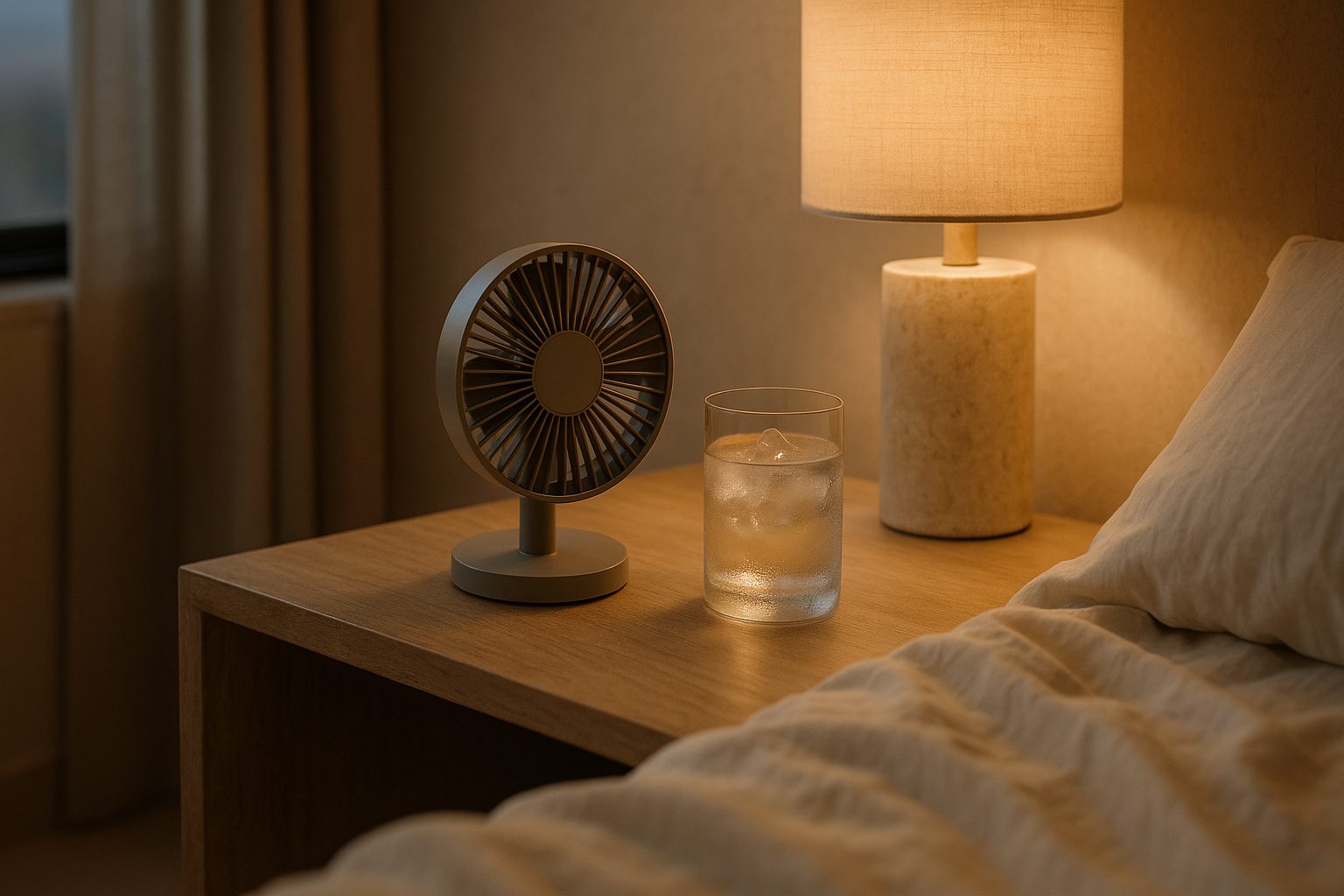
- Lifestyle levers. Limiting alcohol, keeping the bedroom cool, strength training and consistent sleep timing all reduce symptom intensity.
When to get help
If symptoms are affecting your sleep, work or relationships, you don't need to wait until menopause to get relief. Our hormone balance program starts with a detailed history and labs, then a plan tailored to your health risks and goals. Not sure where you stand? Try our free hormone quiz.
Part of our Hormone & Metabolic Health guide. For the complete picture, including treatment options, costs and FAQs, read Hormone & Metabolic Health: A Practical Guide for Women and Men.
The Bottom Line
Waking up drenched at 3 a.m.? Perimenopause can start years before your last period. Here's what's happening and the treatment options that help.

Kenna Graff, FNP-C
Kenna Graff is a Board-Certified Family Nurse Practitioner and Clinical Director at Renova Wellness. She brings expertise in metabolic health, hormone optimization, and regenerative medicine, with a passion for helping patients look and feel their best through personalized treatment plans.
Editorial Process: Initial content ideas and drafts may be generated with the assistance of AI language models. Every article is then thoroughly reviewed, edited, and medically verified by our clinical team before publication to ensure accuracy, relevance, and alignment with current medical standards.
This content is for informational purposes only and does not constitute medical advice. Always consult with a qualified healthcare provider for personalized guidance.